
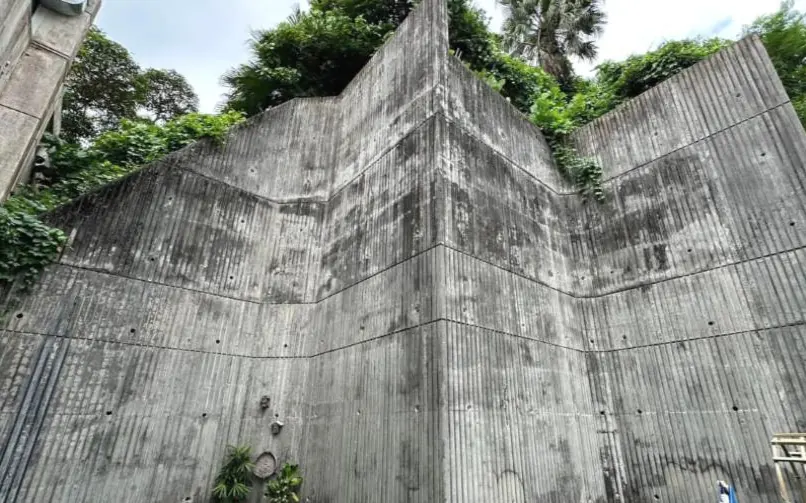
Find the feature before deciding who to contact
A long retaining wall at the rear of an estate may be known by several names in the security log. Start with the slope number on an existing record, a marker visible from ordinary access or the government slope information system. Mark on a location plan whether the observation concerns the crest, face, toe or junction with another wall. A street address alone can cover several distinct features.
The Civil Engineering and Development Department provides location and background information on registered slopes. The Lands Department provides a preliminary reference on maintenance responsibility. Where responsibility is divided, check the lease documents, the mapped extent and advice on the particular site. Circle the area still in question so a quotation can state its precise boundary.
Read the maintenance manual against the layout
Bring the maintenance manual, previous engineer’s reports, completed repairs and a recent location plan to the first site meeting. Ask the engineer which parts of the feature the manual covers. A new planter, a diverted stair or adjacent development may have altered access to an observation point. Flag any area reached through a neighbouring lot or requiring specialist access so that the appointment provides for it.
The Civil Engineering and Development Department notes that older slopes may lack a maintenance manual. The manager can engage an appropriately qualified geotechnical engineer for a maintenance inspection and a review of design, construction and assessment records. Identify missing pages, obsolete drawings and unavailable reports individually. This gives the engineer a practical basis for specifying further enquiries.
Separate routine observations from engineer inspections
Geoguide 5, as summarised by the Civil Engineering and Development Department, recommends routine maintenance inspections at least annually and engineer inspections for maintenance at least every five years. The manual and the engineer’s advice guide arrangements for the individual feature. Routine visits can identify ordinary maintenance needs. An engineer considers the condition of the feature, how it has changed and the scope of future examination.
For an unusual observation visible from a safely accessible position, record the date, weather, location and nearest reference point. A photograph from the ordinary viewpoint helps the responsible party or engineer locate it. Seek an appropriate assessment of its significance. If people could be exposed to an immediate hazard, keep them away from the affected area and obtain urgent assistance.
Arrange neighbouring access and return visits
A manual may say “access from the rear gate” even though the neighbouring property now controls the key. Before issuing the inspection order, confirm who can authorise entry, whether an escort is needed, when the gate opens and which areas require separate arrangements. Have the inspection team mark what it could and could not reach and ask the engineer how that affects the assessment.
For a recommended return after rain, give the work order a location, earlier photograph reference and named report recipient. Link the return visit to the engineer’s original recommendation. At the next inspection the estate can distinguish one missing observation from a fresh issue requiring a new investigation.
Follow a post-rain report through to closure
Suppose water collects on a garden path after heavy rain and a photograph shows debris near an outlet below a slope. Record the observation and the time the water subsided, identify the slope number and contact the party named in the manual. Two questions may be relevant. Who maintains the path drainage? Does the location reported also fall within the slope drainage system? The answers may involve different parties.
File the engineer’s instructions, the dated work record and a view of the same location afterwards. If the engineer requests another observation after heavy rain, give that entry a contact and a place for the follow-up photograph. The next budget can then distinguish ordinary completed upkeep from unresolved investigations and any larger works awaiting assessment.