List what is staying, being reused and leaving as waste
Walk each space and catalogue old equipment, loose furniture, metal fittings, rubble and mixed finishes. Have the owner confirm what is to be retained and who receives it. For a cabinet being reused on another floor, name the delivery point, check that it fits and identify its recipient. For a removed partition, ask the contractor to describe the material streams and arrangements for sorting. The list affects pricing, temporary storage and vehicle movements together.
Have special or potentially controlled materials assessed and handled under the appropriate arrangements. Agree what can enter the ordinary construction-waste stream and use consistent descriptions on the site instructions and schedules. The demolition team, haulier and management office can then tell which items have been released for removal.
Establish the billing account for the contract
EPD’s Construction Waste Disposal Charging Scheme sets out billing arrangements for use of government waste disposal facilities. For a contract worth HK$1 million or more, the main contractor must apply for a billing account dedicated to that contract within twenty-one days of award. For a contract below that value, a person such as the owner or contractor can open an appropriate account, or the owner can engage a contractor with a valid account to arrange disposal.
Before award, establish who holds the account, how loads will be charged and what transaction information the contractor will provide. If haulage is subcontracted, ask how the carrier and account holder reconcile the project, collection time and destination. Put those arrangements on the order before the first collection.
Map the route from the room to the loading bay
Follow the permitted route from the work area to the service lift, temporary holding point, exit and vehicle position. Management should identify access hours, lift booking, protection and cleaning responsibilities. Where two shops share a loading bay, separate their material and vehicle records. Have the site team confirm what can be stored without compromising circulation or escape.
One quotation might assume direct collection outside a rear door, while the actual route uses a common corridor and a booked service lift. Revisit labour, waiting time, intermediate handling and disruption before award. When the owner compares two prices, the reason for a greater handling allowance can then be identified even if the haulage charges are similar.
Link a vehicle movement to the disposal record
Have the collection record identify the date, project, material category, pickup point, vehicle and haulier. Ask the account holder for the corresponding chit, facility transaction information or applicable electronic record. EPD’s C·Easy system supports electronic chits, and its charging-scheme site explains access to transaction information from government facilities.
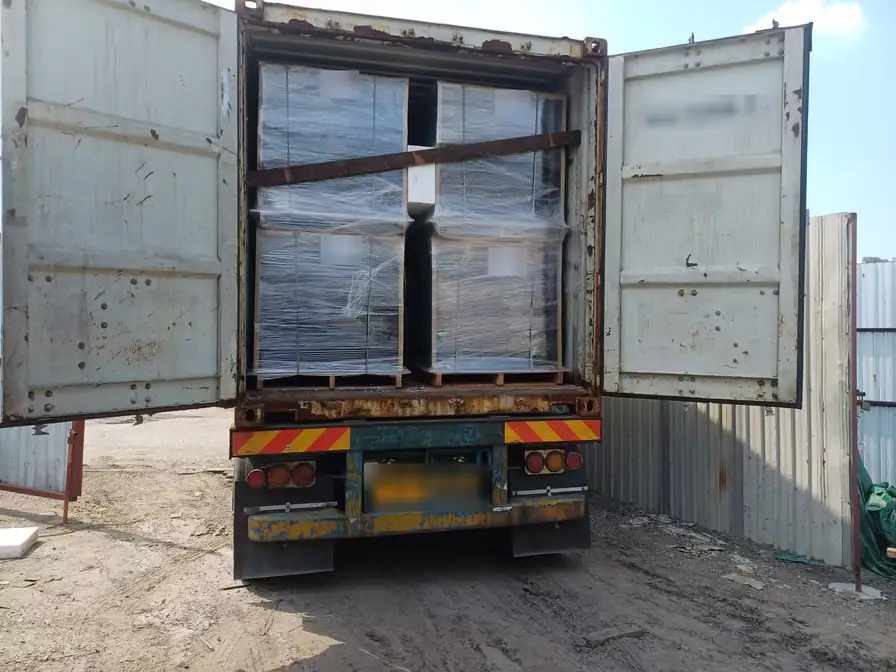
A site photograph shows material leaving. The transaction information helps follow the receiving stage. If two vehicles call on the same day, record their collection times and positions so they can be distinguished on a combined monthly invoice. An unmatched entry should go back to the account holder and haulier for the original reference before management settles how to treat a difference, rescheduled collection or returned load.
Reconcile disposal, transport and site clearance separately
At final account separate handling labour, transport and waiting, sorting or recovery, government disposal charges and the protection and reinstatement of common areas. Reconcile fixed-price items under their agreed terms and measured items against the vehicle or transaction records the contract specifies. If an extra wall was removed, link the owner’s instruction and quantity change to the relevant collections.
Have management and the contractor inspect the holding area, lift and corridors for clearance and agreed cleaning or repair. Ask the receiving party to confirm delivery of retained items. List missing receipts, items awaiting return and disputed charges on the handover record. The owner should be able to explain what arose, what was reused, where the remainder went and how the charges were calculated.