
Keep the original scope visible
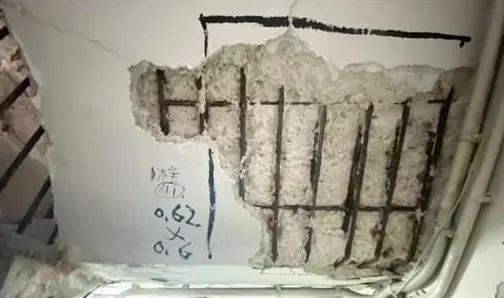
Suppose the original contract replaces one damaged lobby ceiling panel. Opening it reveals an older water mark in the next bay. Give the discovery a reference alongside the original work item. Record when it was seen, its position, the adjacent components and how far the original work had progressed. Add a wider photograph for orientation and a close view. Ask the consultant to review earlier reports and identify the investigation needed to assess the cause. Site staff can address any immediate safety issue under the established arrangements. Keep the investigation, a possible permanent repair and the making good as separately described decisions.
Describe the options someone can actually approve
The consultant can describe the feasible next actions, the places affected, what remains concealed and how deferring action would affect work already planned. An owner may first need to authorise an investigation before a permanent repair can be proposed. If options change the reopening date of the same corridor, another specialist’s attendance or the quantity of materials already ordered, put those effects beside the options. A paper to the committee can name the next decision date and point to the supporting records. Even with incomplete information, members can see which decision can be made now and what they will receive before committing further.
Make the basis of the valuation explicit
When an additional quotation arrives, ask the consultant to examine under the contract whether any original work is omitted, whether an existing rate applies and which items need a new valuation. A price for replacing a whole finish might already include removing the old panel. The additional price should identify the opening up and disposal genuinely added elsewhere. Separate materials, quantities, basis of measurement, labour, return attendance and reinstatement, with estimates marked as such. If an item will be valued by measurement, agree who will measure it while it is still visible, who can witness it and where the record goes.
Check who can issue the instruction
Check the contract and written delegations to establish who can instruct a change and who can agree its value. Management can log a contractor’s suggestion as awaiting review, then record the consultant’s recommendation and the owner’s decision separately. If a meeting discusses a revised method, connect the formal instruction number, date, affected work and applicable terms to the minutes afterwards. The next shift can then find the current instruction. Management can answer occupant enquiries from the confirmed programme. Prices under discussion or a requested extension of time can keep their outstanding status until the corresponding decision has been documented.
Carry the change through to the final account
A change register can show the amount proposed, the agreed value, the amount included in certificates and any balance awaiting measurement. Under one reference the reviewer should find the photographs, instruction, signed measurements, contractor’s evidence and relevant certificate. If the item is cancelled, retain the date and reason and check whether any original work is now omitted. At handover, put the change actually carried out into the record drawings and maintenance file. If another water mark appears in the same place, the manager can establish which part was altered and which earlier question still needs investigation.
Reconcile a revised change with the previous version
One change may be revised more than once. Keep each proposal, but let the reporting summary identify the current agreed value and the version it supersedes. For example, the first estimate may include a dedicated lift of materials, while a later programme combines the delivery with other work. Check where the shared cost is allocated and ask the consultant to link the adjustment to the relevant payment period. If an owners’ meeting asks why that month’s certified expenditure moved, the original change, revised assumption and amount certified provide a clear explanation.