
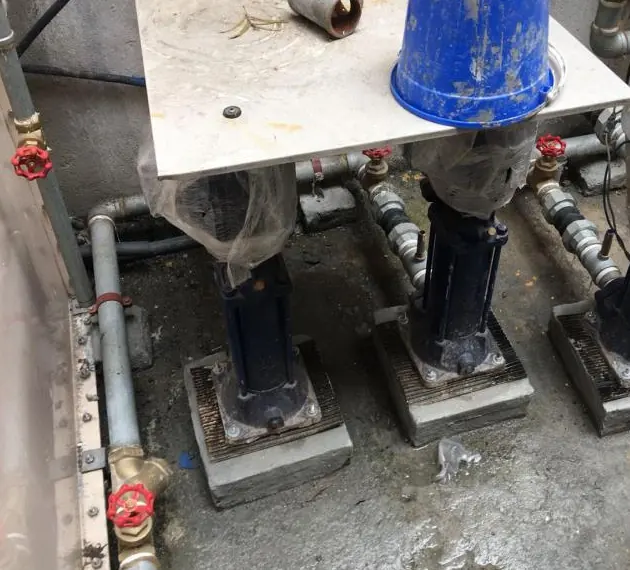
Identify the people served by the affected pipework
Use the existing plumbing schematic to list blocks, pressure zones, floors, communal facilities and ground-floor shops served by the affected section. Ask the appropriate professional to distinguish drinking, flushing and fire supplies and confirm which system the work concerns. Where a drawing, lift panel and tenancy list use different floor names, include a cross-reference before issuing notices.
After the design team or licensed plumber explains the proposed isolation and supply arrangements, confirm real hours of demand with the users. A restaurant opening for breakfast, a school holding after-class activities and night cleaning staff may all need water when a management office normally expects low consumption. Identify a contact who can speak for each affected operation.
Distinguish the plumbing appointment from the water safety role
WSD explains who may carry out specified plumbing works and when prior permission from the Water Authority is relevant. Works of a minor nature are subject to specific conditions. Ask the licensed plumber or responsible professional to confirm the classification, application and completion arrangements for the proposed alteration and identify who will carry out, supervise and notify the work. Put the agreed prerequisites on the programme.
WSD’s Water Safety Plan for Buildings also identifies a person familiar with building operations to coordinate risk management. That management role serves a different function from the people undertaking specified plumbing work. In a building with a plan, involve its coordinator in the shutdown meeting to review the schematic, existing controls and records requiring revision.
Make the interruption notice useful when the programme changes
The notice should identify the water service and floors affected, the expected period, who will confirm restoration and a staffed point for enquiries. Contact occupiers with food preparation, care or hygiene needs individually. Where temporary drinking water or another supply arrangement is needed, let the responsible parties agree the provision for the site and record when it begins and ends.
Suppose restoration was announced for four o’clock and at half past three the team knows a professional check is still outstanding. Issue an update through the advertised channel even if the revised finish time is unknown. Give the time of the next update. Reception, the guard desk and resident messaging should use the same version so one block does not receive a premature announcement.
Set the evidence for returning the supply to use
Before work starts, ask the plumbing team what checks support restoration, who makes the decision and what evidence records it. Have the water safety coordinator review the control points affected. The need for flushing, sampling or submission of results depends on the work and applicable requirements and should be determined and arranged by the appropriate professionals. Management can receive the records, confirm their scope and issue the agreed user advice.
In a building with upper and lower zones one might be ready while the other awaits inspection. Request a separate time and extent for each release and an entry for outstanding matters. Link restoration to the original works reference so a later water-quality enquiry can be traced to the area actually affected.
Give post-restoration reports a clear destination
If a resident reports an unusual appearance, odour or supply condition after restoration, record the time, floor, outlet and whether a similar issue has been reported elsewhere at the premises. Direct the information to the responsible team. For a drinking-water concern, communicate the specific advice issued by WSD or the appropriate professional to affected users. A photograph documents appearance and cannot by itself establish water safety.
At handover, update the altered pipe, valve or tank details, date of work, area served and future maintenance responsibility. Retain the previous schematic and file the revised one with the relevant checks. The information should allow a later shutdown to reach the right occupants without repeating the original investigation.